
Reading Nonfiction
An Appendix Can Support a Book Without Repeating Its Main Argument
Read a nonfiction appendix by identifying the question it supports, then connect its tables, methods or documents with the relevant passage in the main text.

For the reading life, on and off the shelf.
Read a nonfiction appendix by identifying the question it supports, then connect its tables, methods or documents with the relevant passage in the main text.
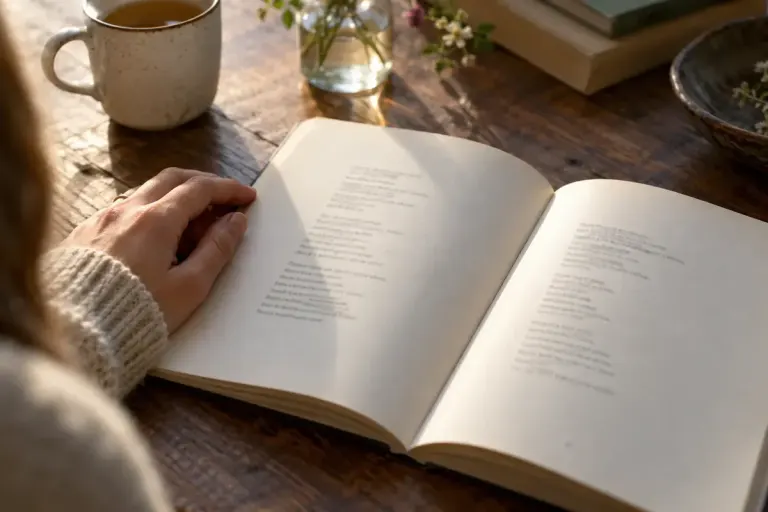
Notice how line endings, white space and sentence movement shape a verse novel, without assuming every short line requires a full pause.

Look closely at a hardcover’s pastedown and free endpaper to understand the book’s construction without pulling, flattening or attempting repairs.
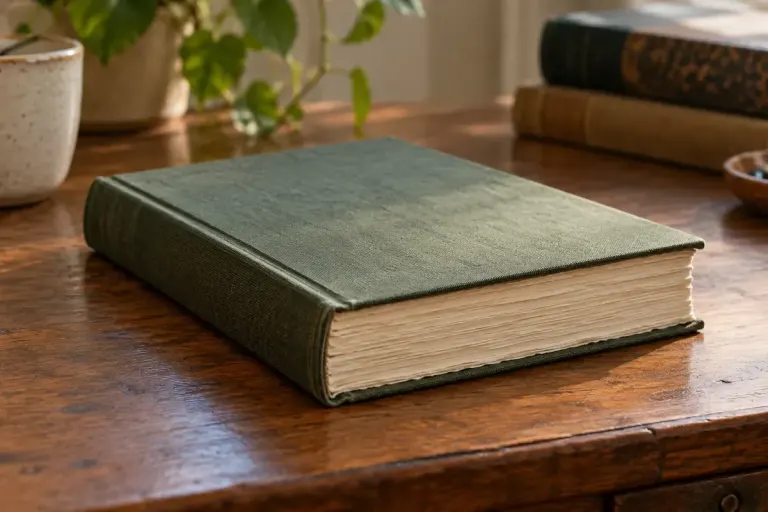
Rough page edges may be an intentional feature. Check the edition and look for actual damage before trimming or returning a book.

Keep track of a novel’s changing chronology without spoiling later chapters or turning a first reading into a research project.
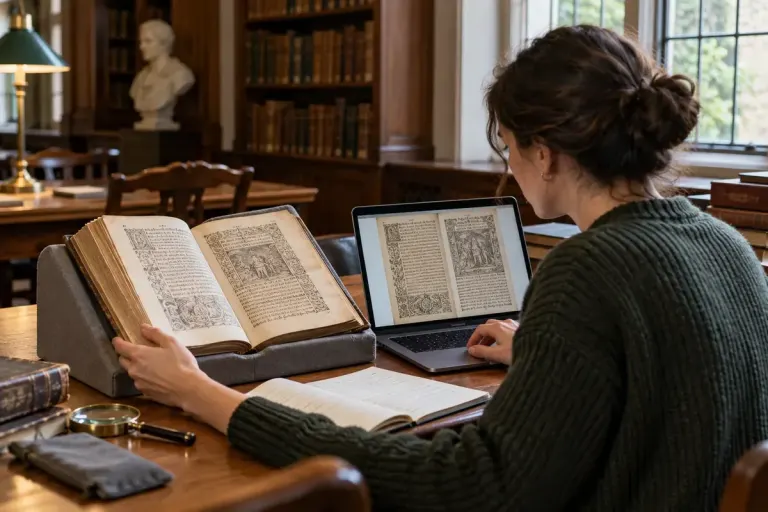
A facsimile preserves a page’s appearance while a modern reading edition may reshape it. Identify the copy and the page system before taking notes.

Make a printed play easier to follow by tracking who is present, what changes on stage and how entrances alter the meaning of a conversation.
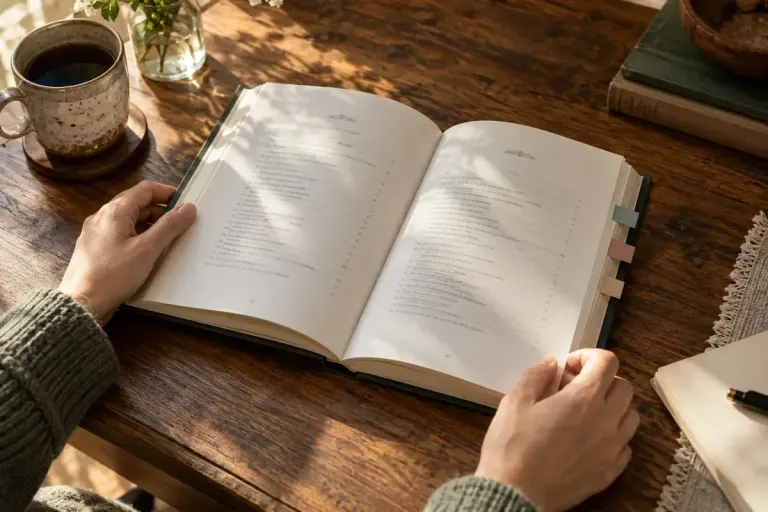
Compare a sample page, edition details and the physical book before choosing a large-print title for yourself or another reader.

Keep track of a novel’s family relationships with a spoiler-aware reading map that separates confirmed facts, aliases and uncertain connections.