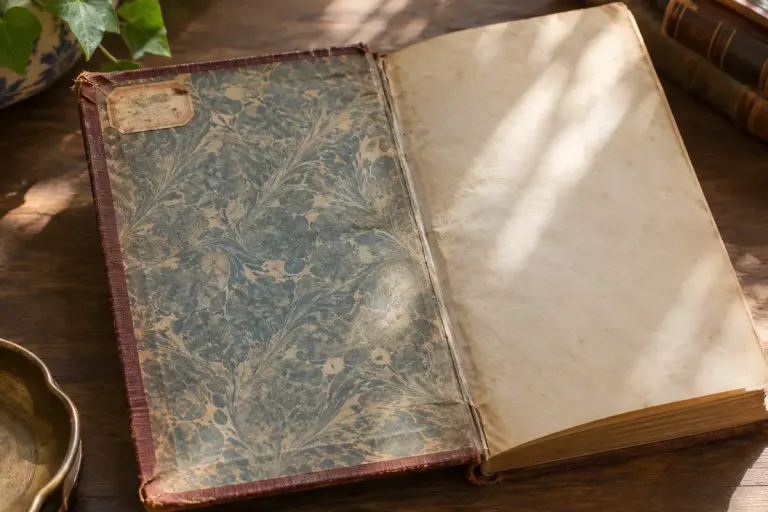
Book History
A binder’s ticket can identify a workshop without identifying the book’s printer
A tiny binder’s label can preserve a workshop’s identity. Learn where to look and how to record it without confusing binding, printing and ownership.

For the reading life, on and off the shelf.
Reading notes, thoughtful book discussions and practical ways to care for the collection you live with.
Find your next reading idea →
A tiny binder’s label can preserve a workshop’s identity. Learn where to look and how to record it without confusing binding, printing and ownership.
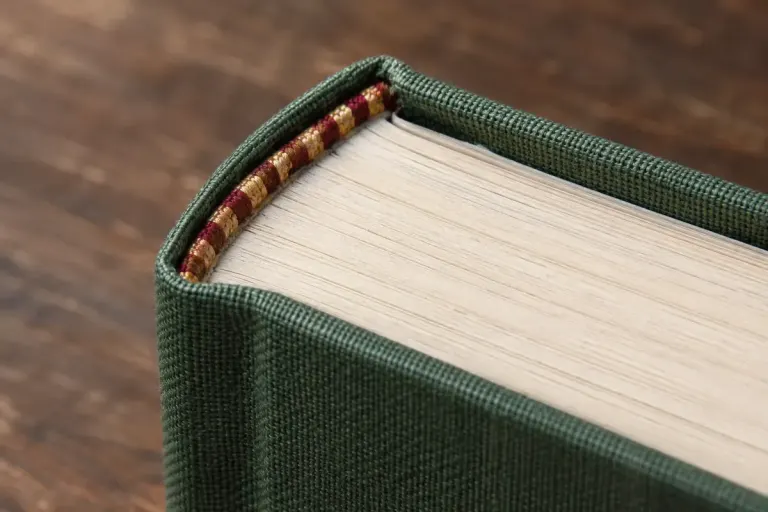
A coloured band at the top of a book can be sewn into the binding or glued on as a finishing detail. Learn what a quick look can and cannot tell you.
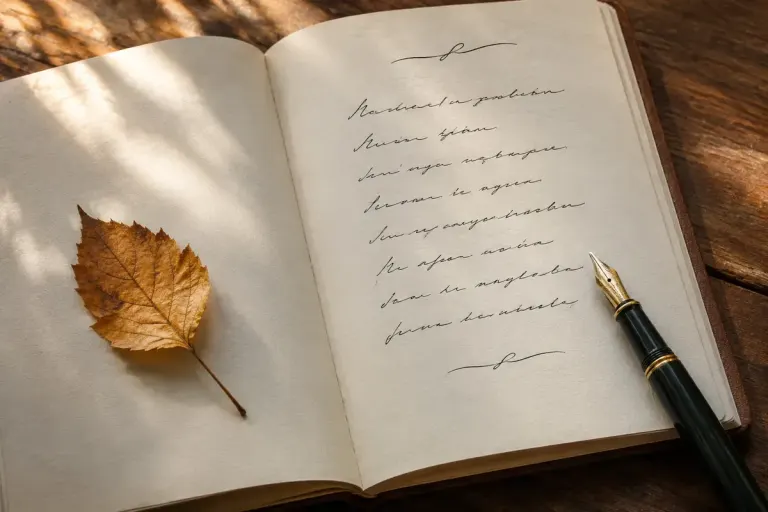
A triolet uses eight lines and two returning lines. Read how repetition changes meaning, then try a small original exercise without forcing the rhyme.
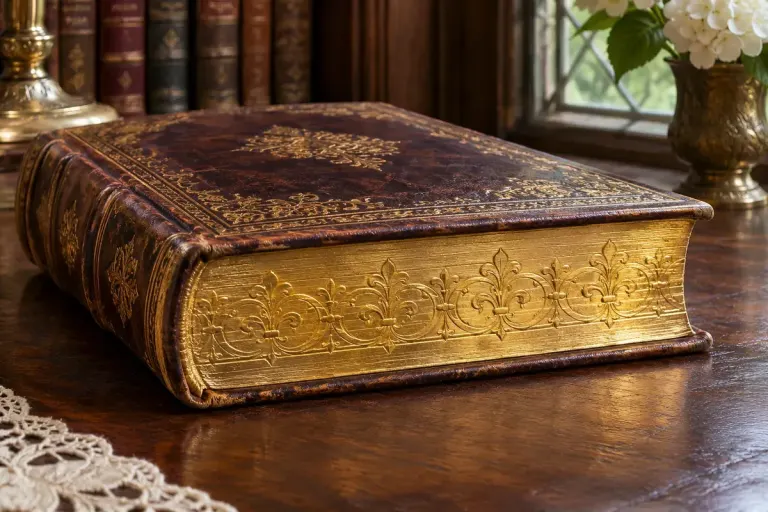
Look closely at patterned gilt book edges to recognise gauffering, and record the decoration without mistaking it for damage or a painted scene.
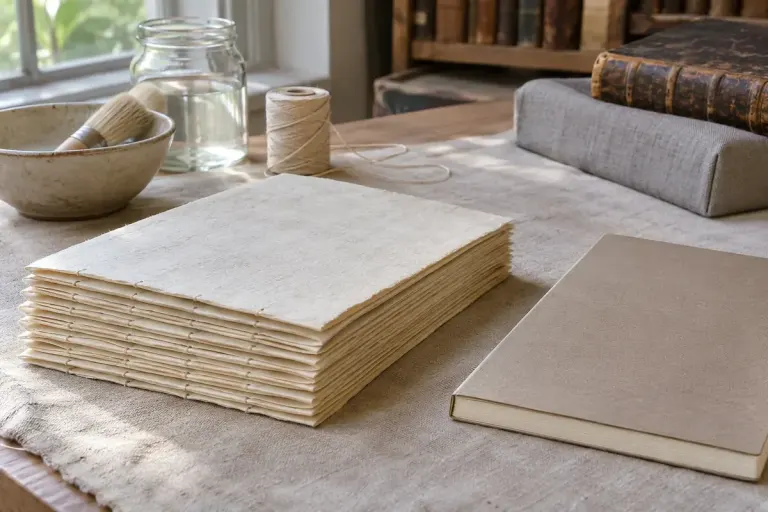
Read a book’s collation statement as a description of its gathered leaves, and understand why page numbering alone cannot prove completeness.
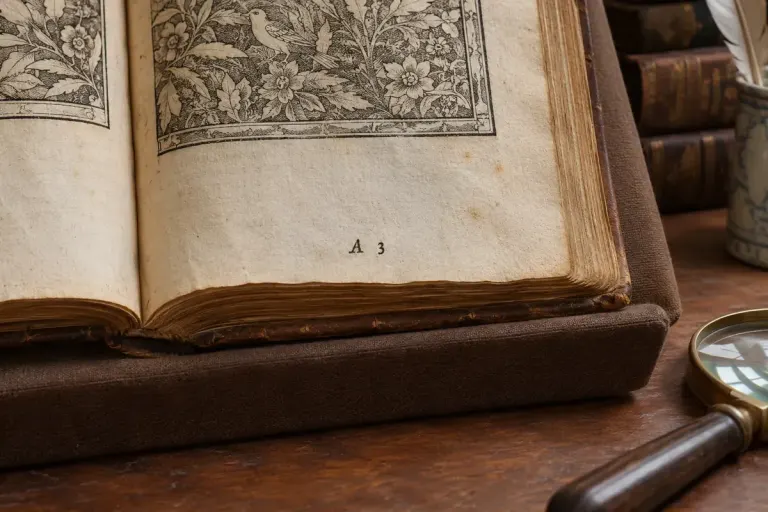
Small letters and numbers near a printed page foot can identify gatherings. Learn to distinguish signature marks from pagination and handwritten ownership.