Reading the Book
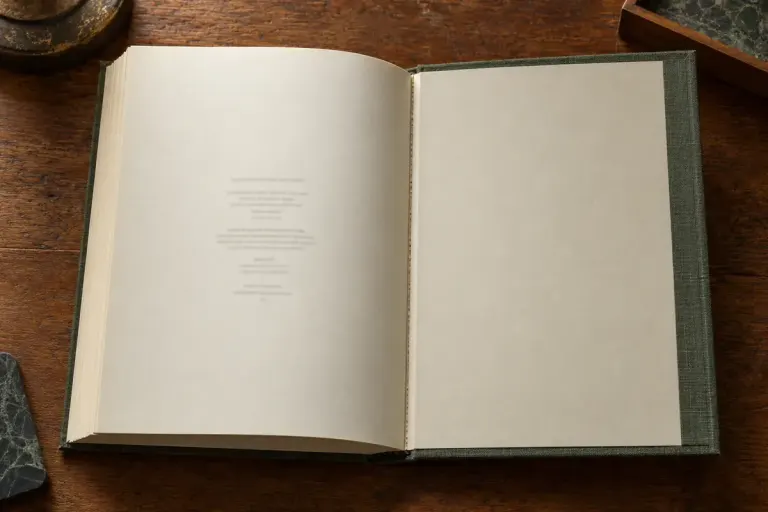
A Colophon Can Tell You How a Book Was Made
Look beyond a book’s title page to find production details in a colophon, from type and paper to printers and edition limitations.

For the reading life, on and off the shelf.
Look beyond a book’s title page to find production details in a colophon, from type and paper to printers and edition limitations.
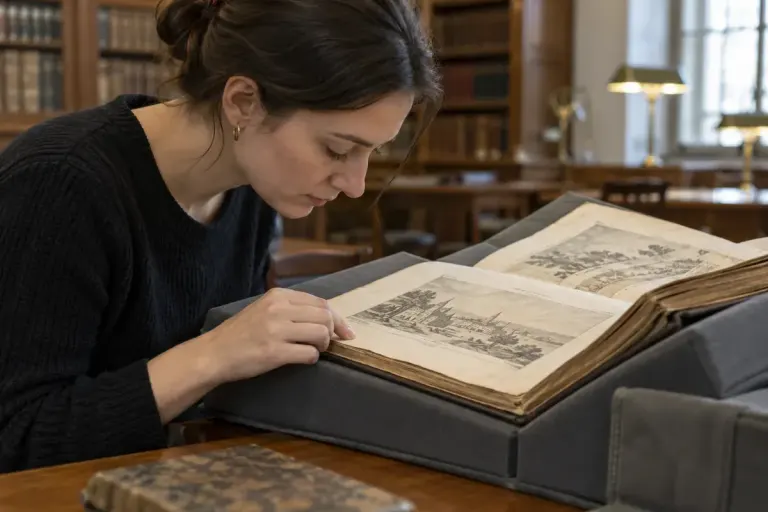
A decorative label inside a book can reveal an ownership claim or collecting history. Record the evidence before assuming whose signature or library it represents.

Read an epistolary novel by tracking who writes, who receives the letter and what happens in the silence between messages.

Notice how a first-person narrator’s limited view shapes a novel without assuming every gap is a deliberate lie.
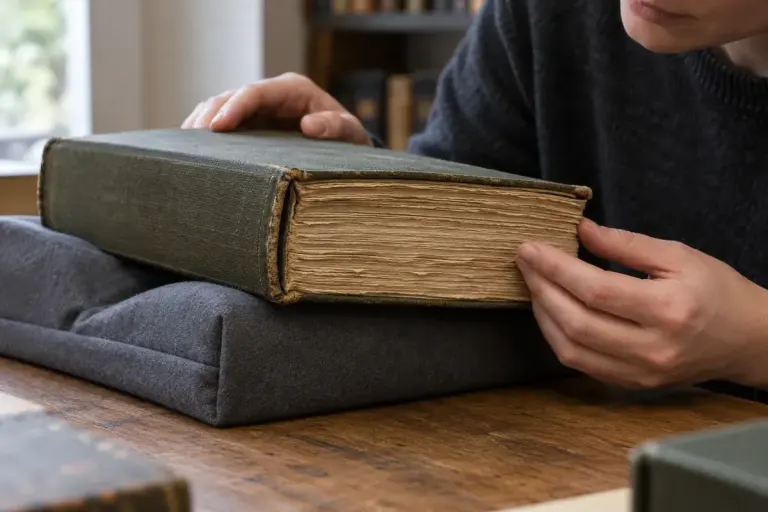
Some fore-edge paintings disappear when a book closes. Explore digitised examples while keeping the artwork’s date separate from the book’s publication.
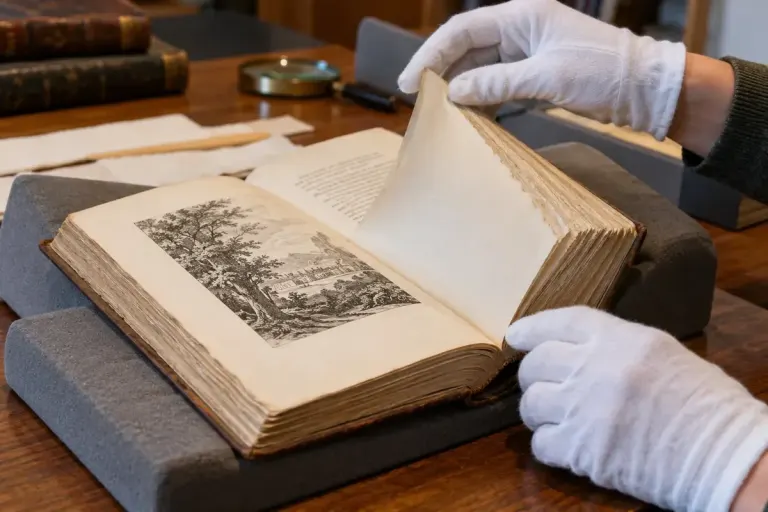
Tell joined, unopened leaves from rough untrimmed edges before trying to separate pages in an older or collectible book.

Follow a fictional dream into the waking scene, noticing what changes in a character’s choices without treating every image as a fixed symbol.
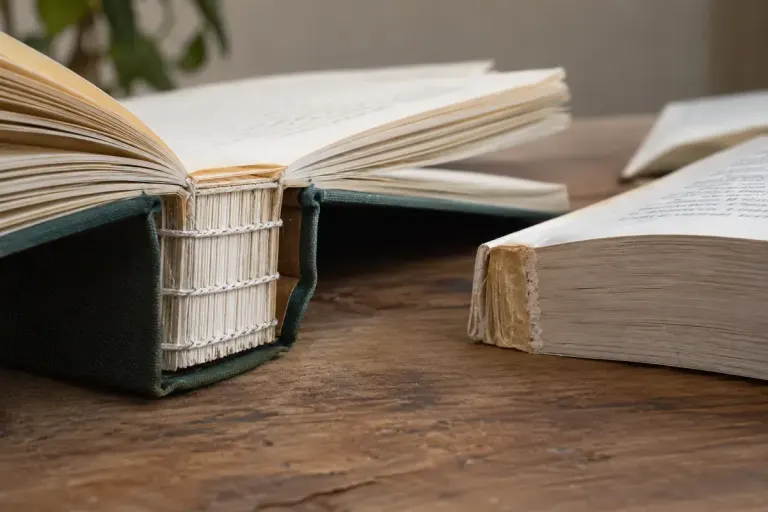
Look at a book’s sections and spine to understand sewn and adhesive binding, without forcing the covers flat or assuming price proves durability.
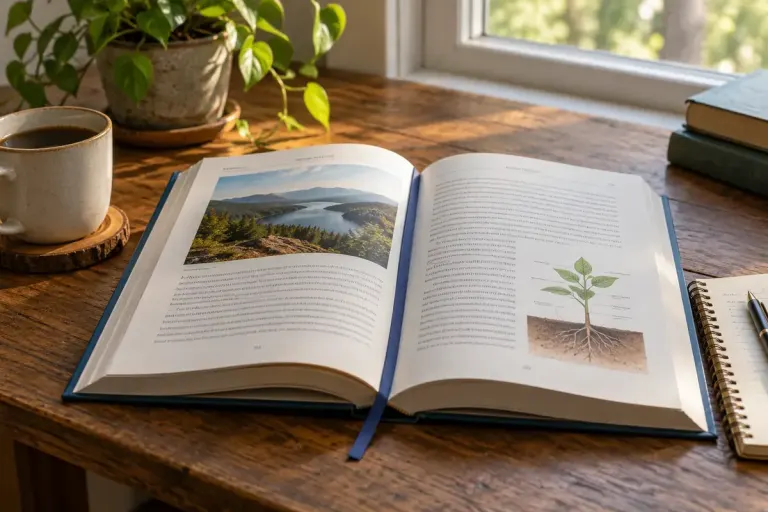
Use the small text at the top of a book’s pages to navigate, while distinguishing running heads from the main text and chapter titles.