
Reading Poetry
Hypallage moves a description to an unexpected neighbour
Hypallage shifts a description to an unexpected word. Try a close-reading exercise that shows how a transferred epithet can change the atmosphere of a sentence.

For the reading life, on and off the shelf.
Hypallage shifts a description to an unexpected word. Try a close-reading exercise that shows how a transferred epithet can change the atmosphere of a sentence.
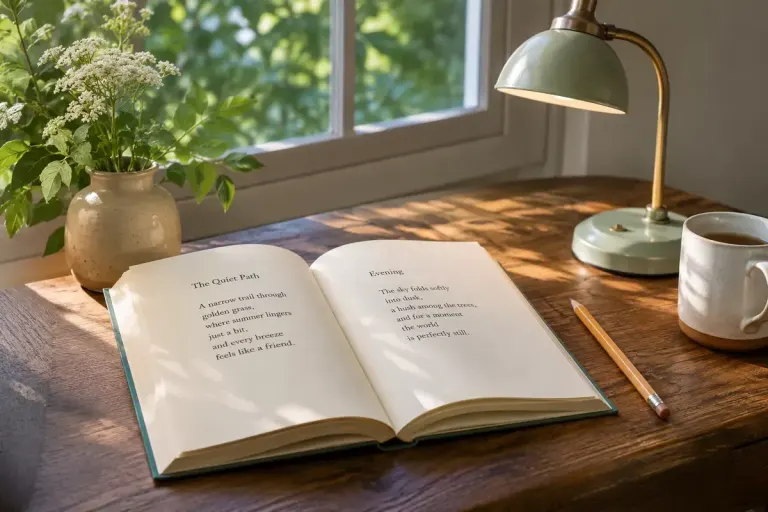
Synecdoche lets a part stand for a whole. Use a few original examples to see how the choice of detail can change a sentence’s emphasis and tone.

An ekphrastic poem does more than describe an artwork. Try reading for the speaker, the imagined moment and the details the poet chooses to leave out.
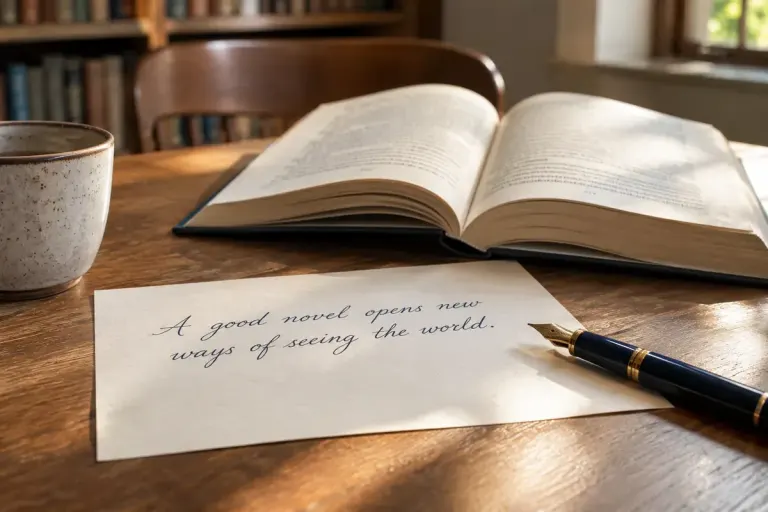
Zeugma lets one word govern several parts of a sentence, sometimes in different senses. Try an original example and see when the turn adds meaning.
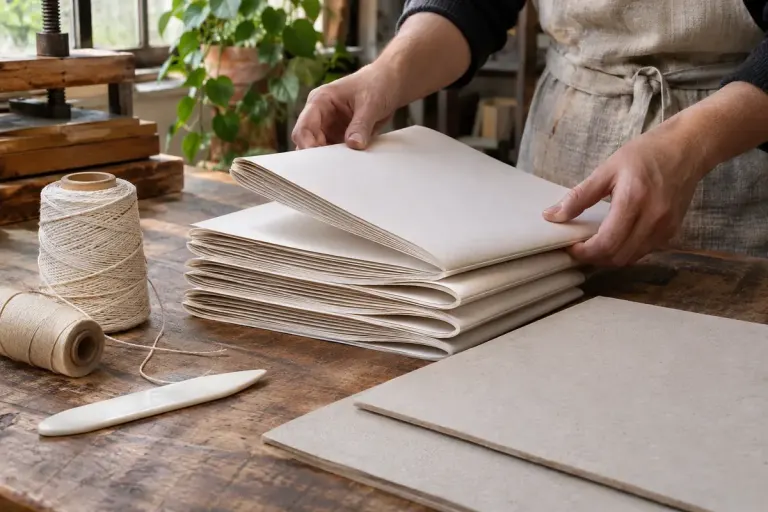
Early printed books could reach buyers unbound or in temporary covers. Learn what that changes about reading a historical book’s physical evidence.
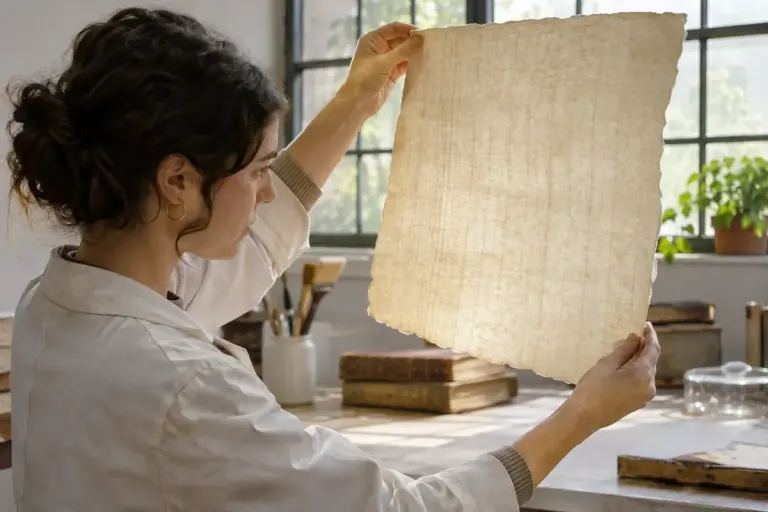
Chain lines can reveal how an old sheet of paper was made. Learn what to look for and why the pattern alone cannot date a book.
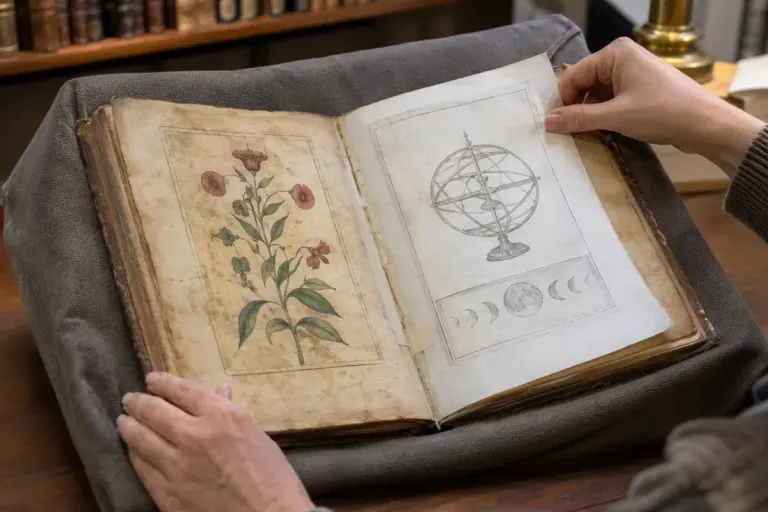
A replacement leaf can preserve evidence of a book’s revision. Learn the terms cancellans and cancellandum and read catalogue notes carefully.
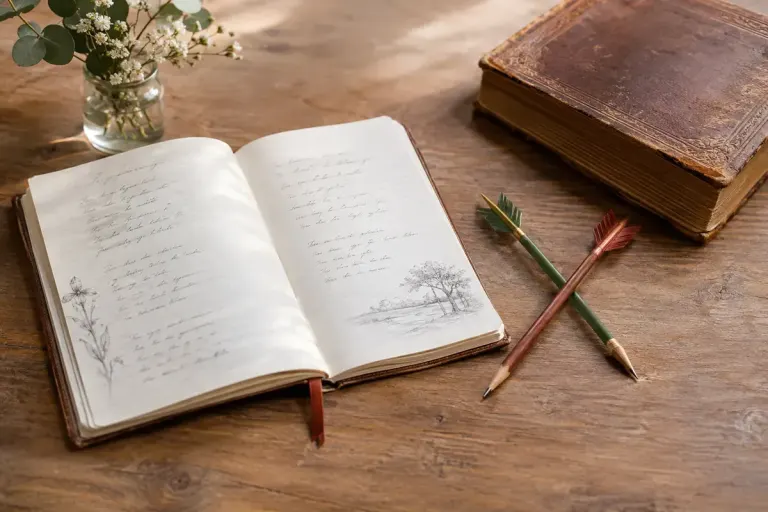
Recognise the ABBA pattern of chiasmus and see how reversing ideas can sharpen a sentence—or merely make it sound convincing.
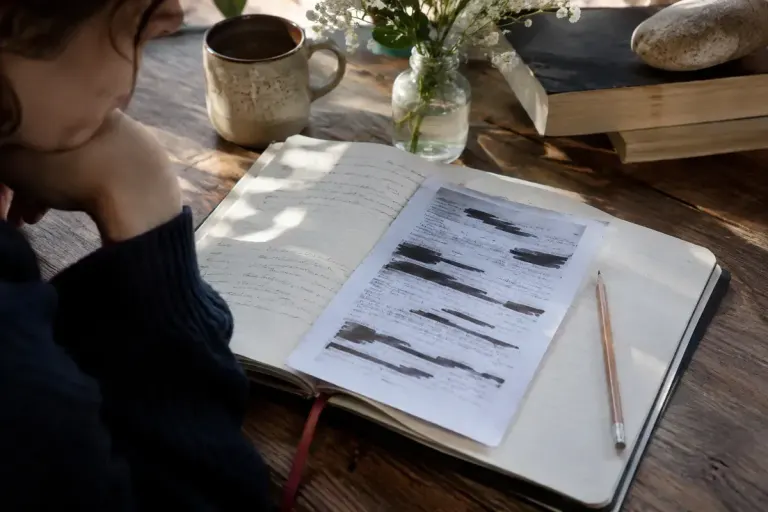
Erasure poetry makes a new work by removing words from an existing text. Read the surviving language, the spaces, and the relationship with the source.