Book History
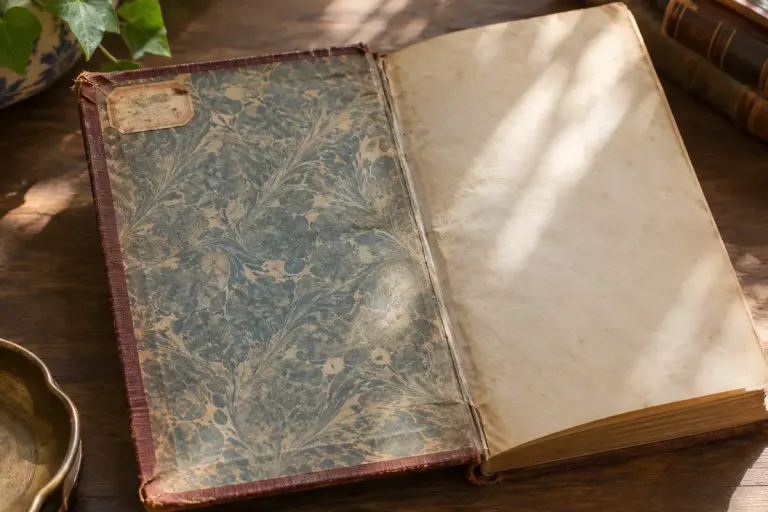
A binder’s ticket can identify a workshop without identifying the book’s printer
A tiny binder’s label can preserve a workshop’s identity. Learn where to look and how to record it without confusing binding, printing and ownership.

For the reading life, on and off the shelf.
A tiny binder’s label can preserve a workshop’s identity. Learn where to look and how to record it without confusing binding, printing and ownership.
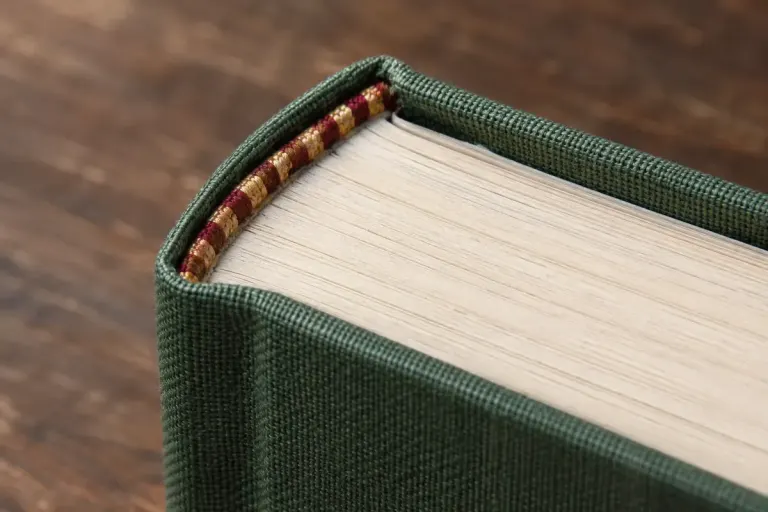
A coloured band at the top of a book can be sewn into the binding or glued on as a finishing detail. Learn what a quick look can and cannot tell you.
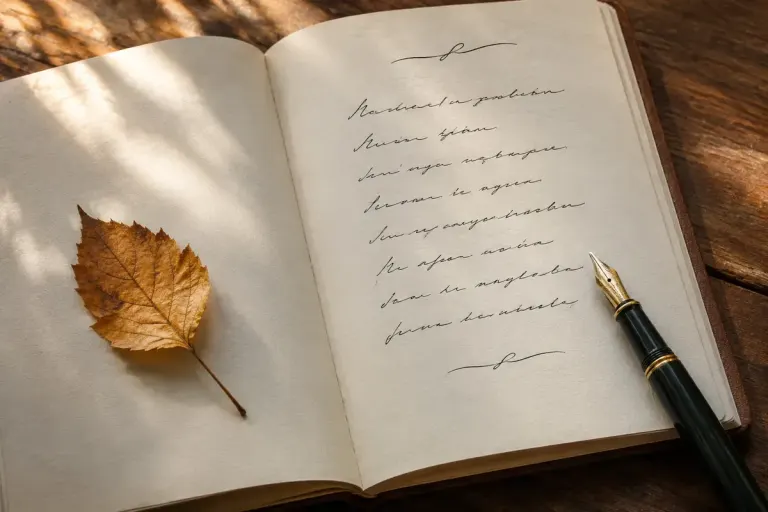
A triolet uses eight lines and two returning lines. Read how repetition changes meaning, then try a small original exercise without forcing the rhyme.
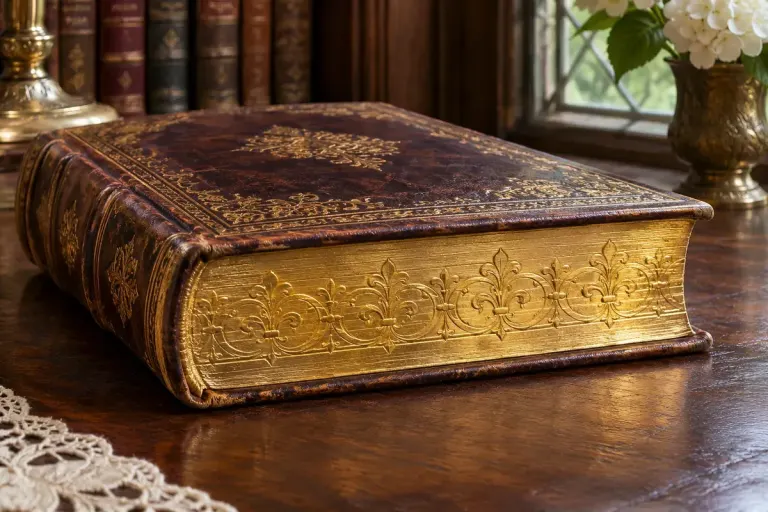
Look closely at patterned gilt book edges to recognise gauffering, and record the decoration without mistaking it for damage or a painted scene.
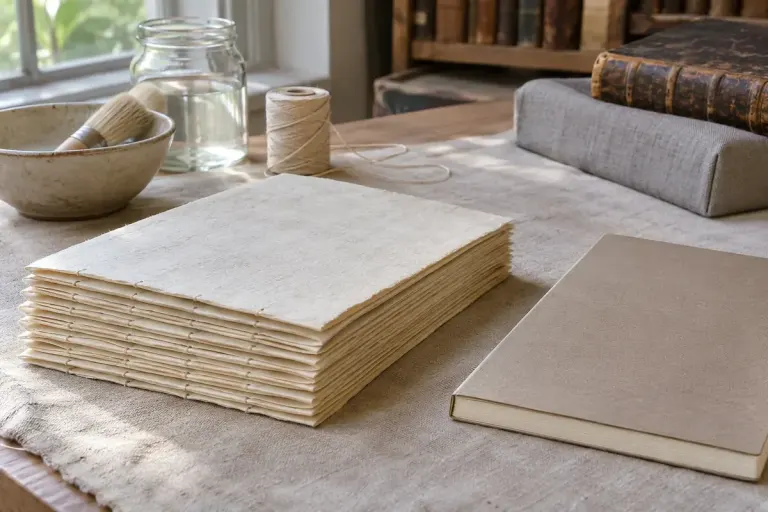
Read a book’s collation statement as a description of its gathered leaves, and understand why page numbering alone cannot prove completeness.
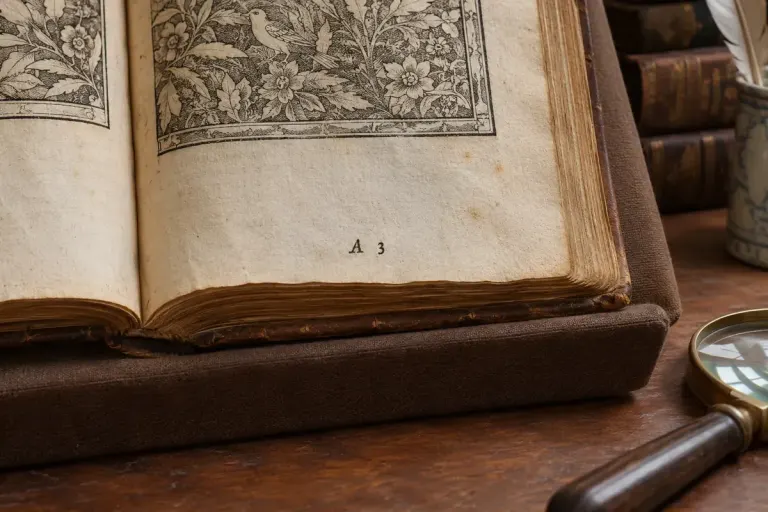
Small letters and numbers near a printed page foot can identify gatherings. Learn to distinguish signature marks from pagination and handwritten ownership.
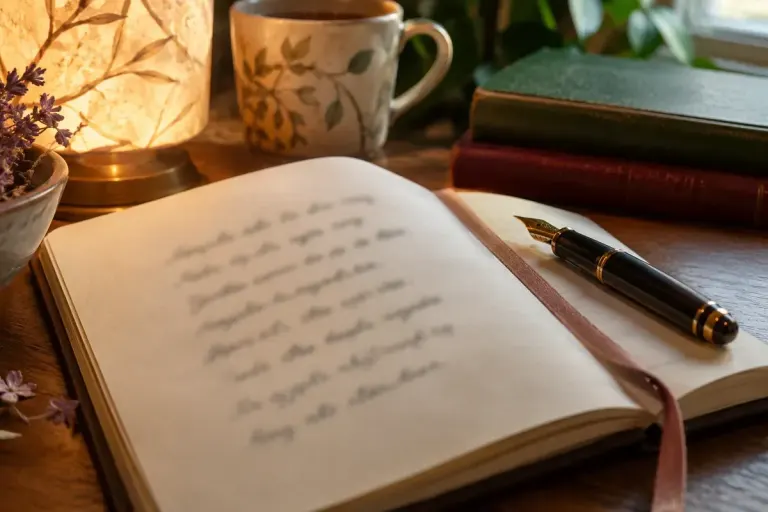
Ottava rima alternates rhymes before closing with a couplet. Try a focused reading exercise to hear how the final two lines can change an eight-line stanza.

Read a tanka through its shift of attention, then try a short original exercise that connects an observed scene with a personal response.

A cento arranges lines from other poems into a new sequence. Explore the form with clear attribution, careful source notes and attention to permission.