Book History
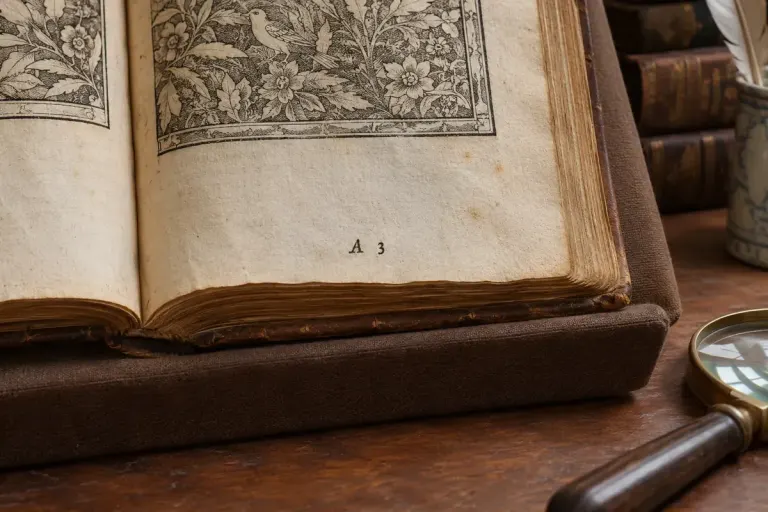
A printer’s signature mark is not an author’s autograph
Small letters and numbers near a printed page foot can identify gatherings. Learn to distinguish signature marks from pagination and handwritten ownership.

For the reading life, on and off the shelf.
Small letters and numbers near a printed page foot can identify gatherings. Learn to distinguish signature marks from pagination and handwritten ownership.
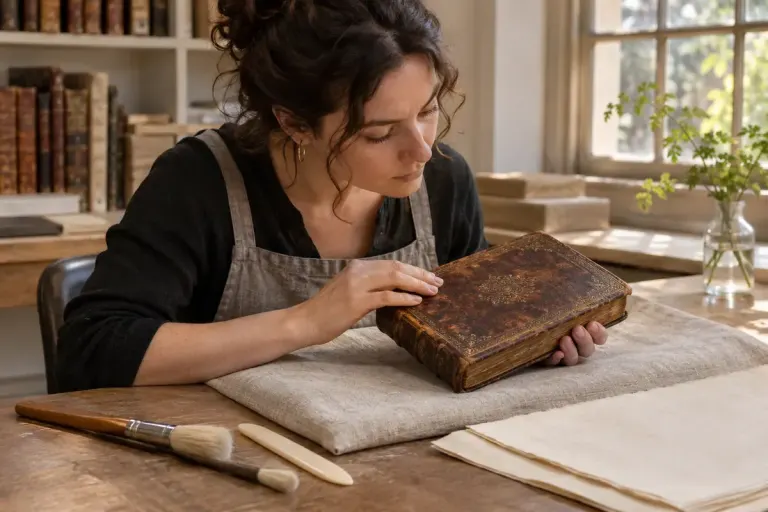
A dos-à-dos binding joins two text blocks back to back. Learn how to recognise the structure without confusing it with two works bound in one volume.
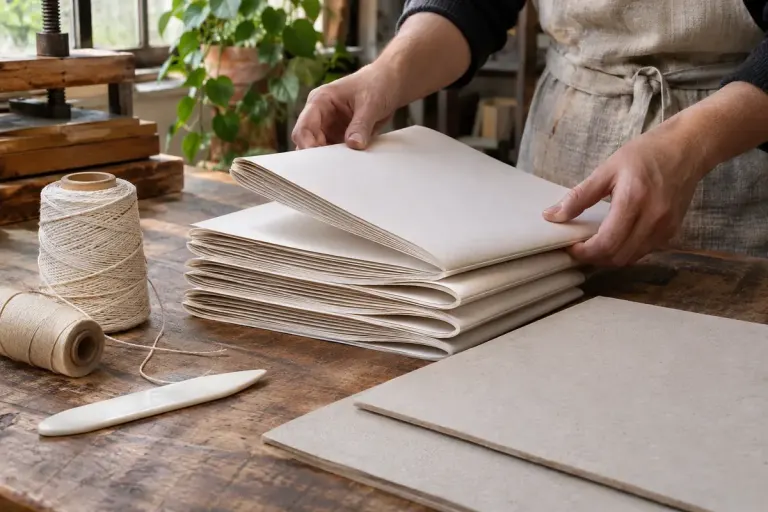
Early printed books could reach buyers unbound or in temporary covers. Learn what that changes about reading a historical book’s physical evidence.
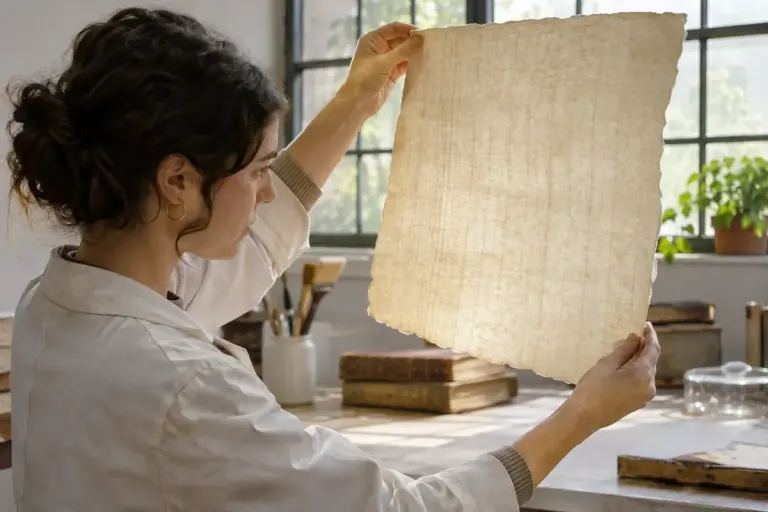
Chain lines can reveal how an old sheet of paper was made. Learn what to look for and why the pattern alone cannot date a book.
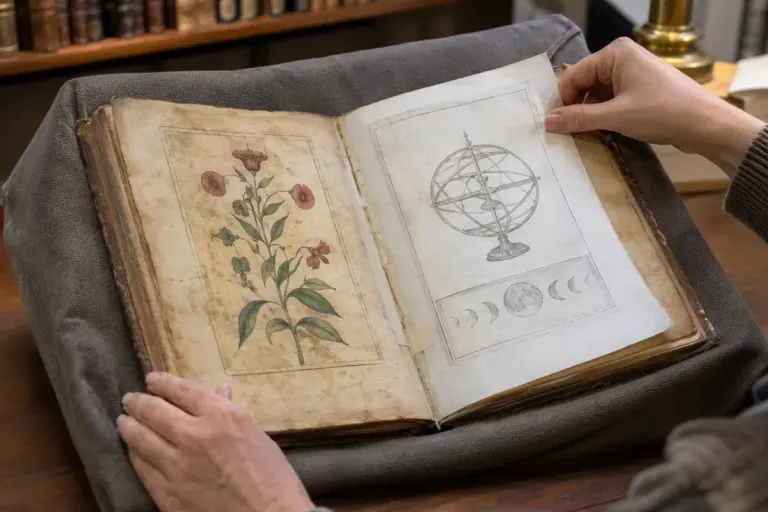
A replacement leaf can preserve evidence of a book’s revision. Learn the terms cancellans and cancellandum and read catalogue notes carefully.
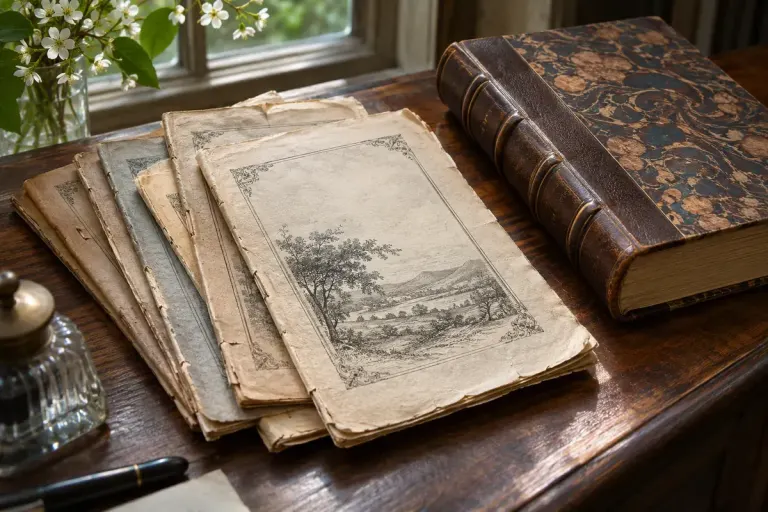
Original serial parts reveal covers, advertising, and reading pauses that a bound novel can hide. Learn what to notice in a library display.
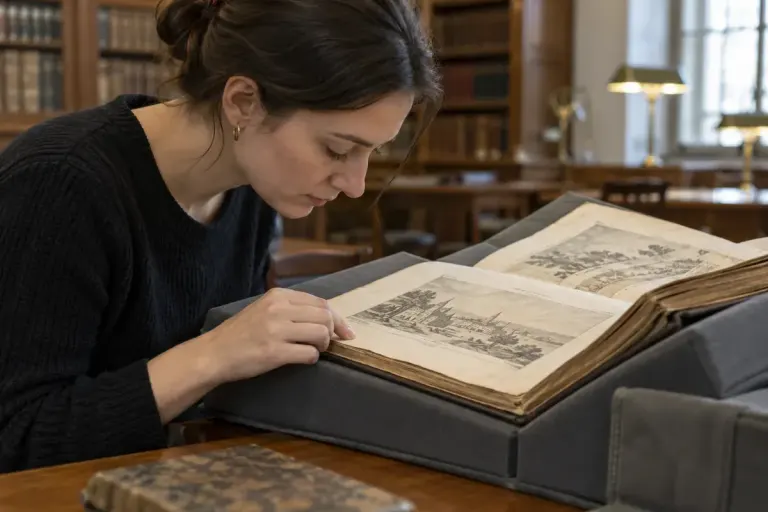
A decorative label inside a book can reveal an ownership claim or collecting history. Record the evidence before assuming whose signature or library it represents.